
The Green Gold Rush: Analyzing Trends and Growth in the Global Avocado Market
The global appetite for avocados shows no signs of slowing down. Once considered a regional staple in Central and South America, the avocado—often dubbed “green gold”—has transformed into a powerhouse commodity in international agriculture and trade.
Driven by shifting consumer dietary habits, supply chain innovations, and market diversification, the global avocado industry presents dynamic opportunities for growers, exporters, and investors alike.
Market Size and Growth Trajectory
The global avocado market reached an estimated valuation of $19.5 billion to $21.0 billion. Driven by steady demand across traditional and emerging markets, industry forecasts project the sector will expand at a Compound Annual Growth Rate (CAGR) between 6% and 9%, setting the market on track to exceed $26 billion by 2030.
       GLOBAL AVOCADO MARKET VALUATION (USD BILLION)

  $30B +---------------------------------------------------+
       |                                       $26.0B - $26.5B
  $25B |                                      +------------+
       |                         $21.0B       |            |
  $20B |          $19.5B      +-----------+   |            |
       |       +----------+   |           |   |            |
  $15B |       |          |   |           |   |            |
       +-------+----------+---+-----------+---+------------+
                 2025 (Est.)      2026 (Est.)    2030 (Proj.)
Primary Drivers Behind Global Demand
1. The “Superfood” Nutritional Profile
Consumer awareness surrounding functional foods and healthy fats remains the primary driver of avocado consumption. Avocados are rich in monounsaturated oleic acid, dietary fiber, potassium, folate, and essential vitamins (K, E, B-complex). Their inclusion in plant-based, ketogenic, and heart-healthy diets has solidified their status as a kitchen staple.
2. Foodservice and Value-Added Products
While fresh fruit dominates retail sales, commercial foodservice integration—ranging from casual dining avocado toast to fast-casual guacamole options—continues to surge. Additionally, processing innovations have expanded the market for:
- Cold-pressed avocado oil (cooking and cosmetics)
- High-Pressure Processing (HPP) guac and purees (extending shelf life without preservatives)
- Pre-portioned frozen avocado slices
3. Expansion in Emerging Import Markets
North America and Western Europe remain the largest consuming regions, but market penetration is accelerating rapidly in the Asia-Pacific (particularly China, Japan, and South Korea) and the Middle East. Rising disposable incomes and westernized dietary trends in these regions offer untapped potential for global exporters.
Supply Dynamics and Key Producing Regions
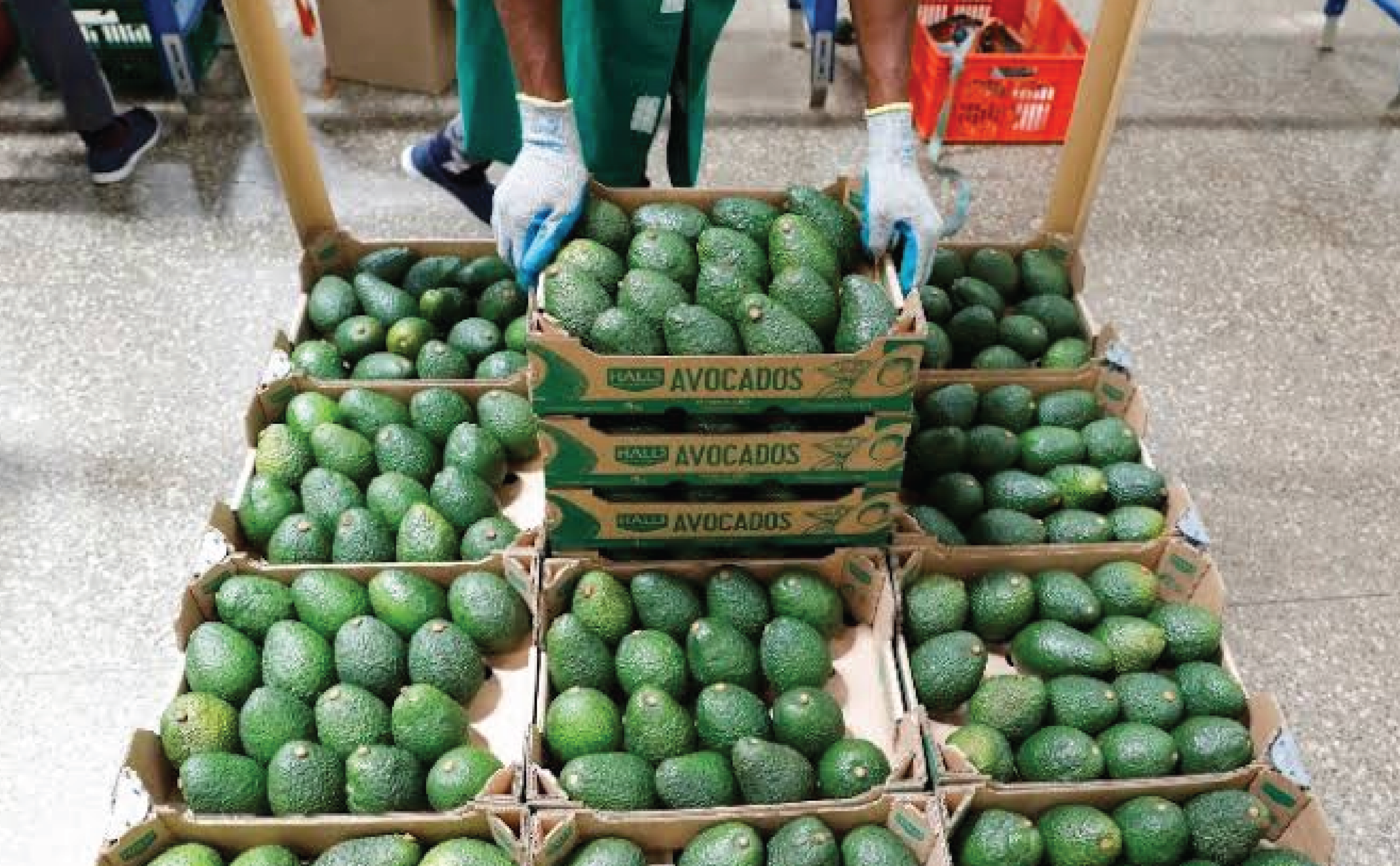
Global production exceeds 10 million metric tons annually, with harvest windows distributed across both Northern and Southern hemispheres to maintain year-round supply chains.
| Region / Country | Market Role & Output Share | Key Characteristics |
| Mexico | World Leader (~28%–30% global output) | Dominates supply to North America; primary hub for Hass variety. |
| Colombia & Peru | Rapid Growth & Major Exporters | Primary export windows supplying European and North American summer demand. |
| East Africa (Kenya) | Key Emerging Supply Origin | Expanding footprint in European and Middle Eastern markets due to favorable agro-climatic conditions. |
| Mediterranean & US | Regional Producers (Spain, US, Israel) | High domestic demand met by local seasonality, supplemented heavily by imports. |
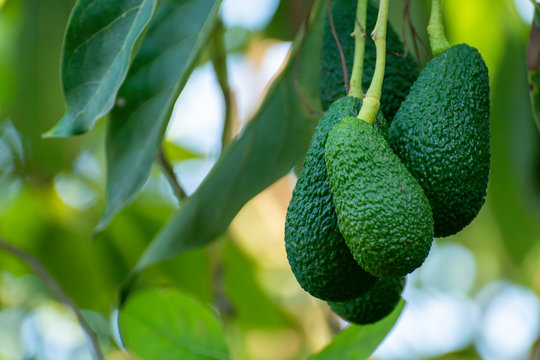
Note: The Hass cultivar accounts for over 80% of global commercial production due to its thick skin, superior cold-storage transport resilience, and high oil content.
Key Challenges Facing the Industry
- Supply Chain & Cold-Chain Integrity: As a climacteric fruit, post-harvest temperature control and controlled-atmosphere (CA) shipping are critical to preventing spoilage over long transit routes.
- Climate Variability & Water Resource Management: Avocado cultivation requires consistent water availability. Drought conditions and shifting weather patterns in key growing belts pose supply consistency risks.
- Price Volatility: Seasonal overlap between major exporting origins can create short-term supply gluts or acute shortages, influencing FOB and retail pricing.
Strategic Outlook for Agricultural Stakeholders
- Invest in Post-Harvest Technologies: Adopting edible coatings, ethylene control, and smart sensor logistics extends shelf life and reduces waste during ocean freight.
- Prioritize Sustainable Certification: Retailers in Europe and North America increasingly demand proof of water stewardship, fair labor, and deforestation-free sourcing.
- Diversify Sourcing Windows: Importers and distributors must build multi-origin partnerships to hedge against regional weather disruptions and seasonal production drops.